The Niger Delta, located on Nigeria’s Atlantic Ocean coast, is one of the world’s largest wetlands, supporting over 20 million people and a rich array of biodiversity. However, the region’s ecosystems have degraded over the years due to illegal logging and other harmful activities, disrupting the balance between plant and animal life. Mangroves, a keystone species, have been particularly affected. These forests are essential for capturing and storing carbon dioxide, making them critical in the fight against climate change.
The Agba-Okwan Asarama community in Rivers State spans over 2,000 hectares of mangrove forest but, like much of the Niger Delta, has experienced significant degradation due to human activities.
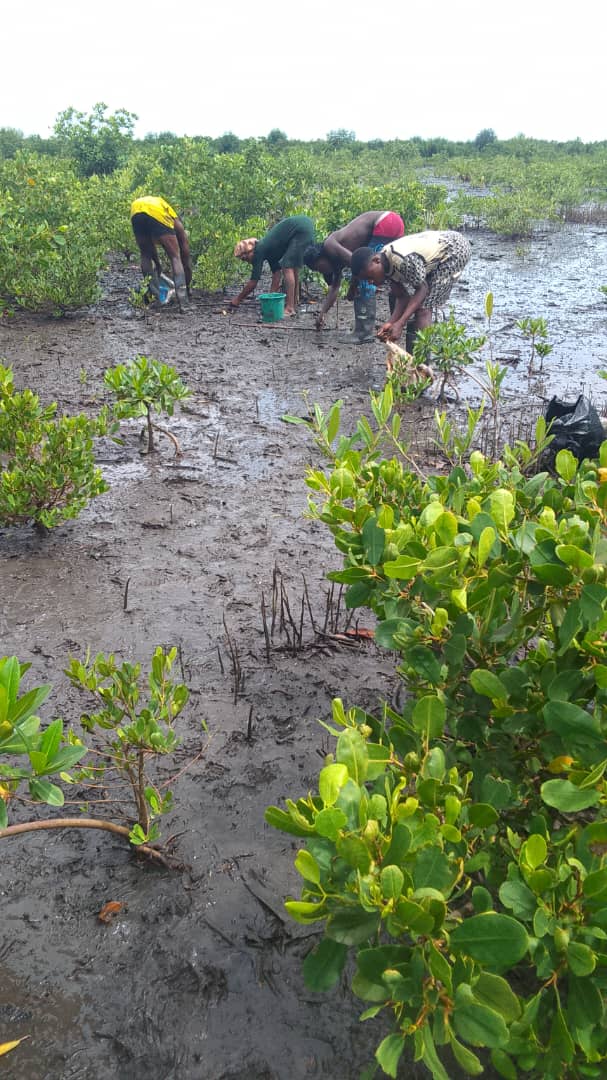
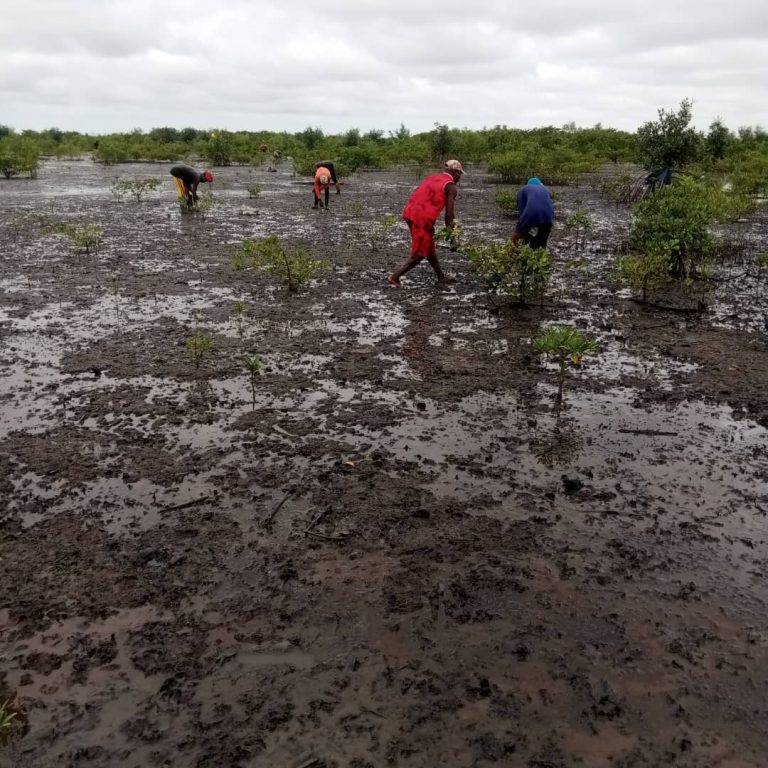
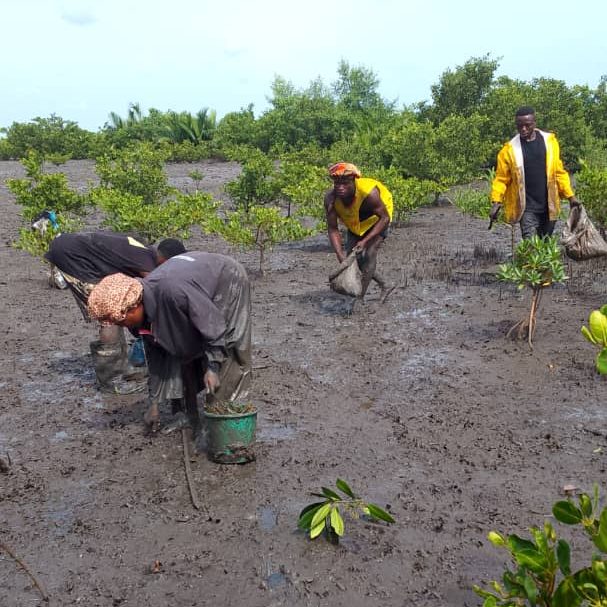
To address this, the Agba-Okwan Mangrove Restoration Project (AMRP) has been launched to restore the mangroves, increasing awareness of their value and reforesting degraded areas. The project aims to plant to restore the mangrove ecosystem and create alternative livelihoods for local residents.
As a blue carbon project, it will also play a crucial role in reducing atmospheric CO2 levels by storing carbon in coastal ecosystems. By restoring these vital habitats, the project will contribute to both environmental sustainability and community resilience.
0+
JOBS CREATED
For men and women in Agba-Okwan Asarama Community
0M+
MANGROVE PROPAGULES PLANTED
On over 60 Hectares of deforested land in the Community
The project is set to restore a critical ecosystem by planting mangroves, which will help revitalize over 200 hectares of degraded mangrove forest.
This restoration will enhance biodiversity by providing a habitat for various species of fish, birds, and other wildlife.
Furthermore, as a blue carbon initiative, the project will significantly contribute to climate change mitigation by sequestering large amounts of carbon dioxide.
The restored mangrove forests will act as natural carbon sinks, helping reduce CO2 levels and combat the adverse effects of climate change.
Short term – By integrating the local population into the restoration process, the project empowers them with new skills and knowledge, fostering long-term economic resilience while providing over 100 jobs for men and women in the project community.
Long term – Restoring the mangrove ecosystem will support local fisheries, boosting food security and income generation for the community.
SOCIAL IMPACT
The project will enhance community cohesion and awareness. By involving local stakeholders in restoration activities, the initiative fosters a sense of ownership and responsibility for environmental stewardship.
This increased knowledge and engagement will inspire ongoing conservation efforts and ensure the sustainability of the mangrove ecosystem for future generations.
With a stable income, workers are able to ensure their families have access to food.
QUALITY EDUCATION
Men and women in the project community receive hands-on training and skill development for alternative employment opportunities.
DECENT WORK
& ECONOMIC GROWTH
300+ jobs is created for women and men in the community.
REDUCED
INEQUALITIES
Thirty percent of the jobs created in this project are filled by women, who receive training and gain the ability to earn an independent income.
CLIMATE
ACTION
Mangrove reforestation is amongst the most effective ways to reduce CO2 in our atmosphere and store it naturally above and below ground, and in the soil.
LIFE BELOW WATER
Mangrove swamps create vital habitats for fish and marine life, boosting biodiversity in aquatic ecosystems.
LIFE ON LAND
Mangrove swamps offer essential habitats for diverse land species, including reptiles and birds, supporting rich biodiversity.
PARTNERSHIPS FOR THE GOALS
This long-term project fosters strong international collaboration, bringing lasting positive impacts to local communities.
The Agba-okwan Asarama Mangrove Restoration Project is currently underway. We sincerely want to make a positive impact of this project, so we welcome questions, suggestions or requests. Please contact us below.